
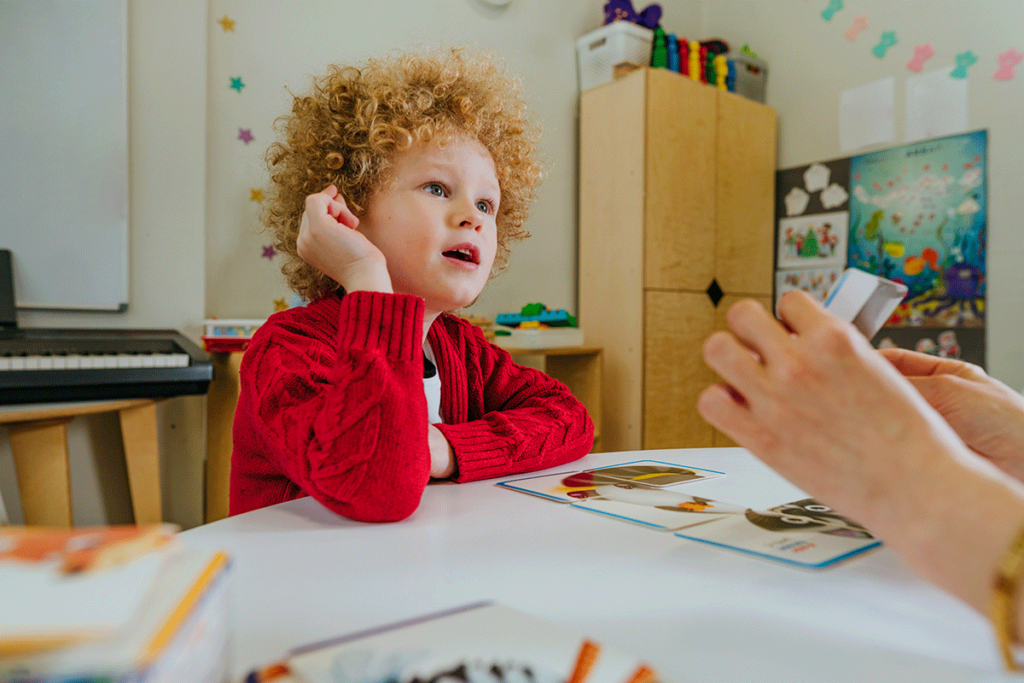
Autism spectrum disorder (ASD) is a developmental condition that affects communication, behavior, and social interaction in different ways. Because autism exists on a spectrum, every individual experiences it differently. Some autistic individuals develop strong verbal communication skills, while others communicate with few or no spoken words.
Many families ask what nonverbal autism means and how it affects a child’s ability to communicate. In simple terms, nonverbal autism refers to autistic individuals who do not rely primarily on spoken language to express themselves. Instead, they may communicate through gestures, pictures, assistive technology, or other methods.
While the absence of speech can present challenges, it does not mean a person lacks understanding or the desire to connect with others. Individuals who are nonverbal autistic may understand language well and simply communicate in different ways.
A Deeper Understanding of Nonverbal Autism
Understanding nonverbal autism requires recognizing that communication is not limited to spoken language. Many autistic individuals who do not use verbal speech can still communicate effectively through alternative methods.
Communication methods may include:
-
Gestures or pointing
-
Facial expressions and body language
-
Sign language
-
Picture communication systems
-
Speech-generating devices or communication apps
These tools allow individuals to express their needs, share ideas, and interact with others. When families and caregivers learn how to support these communication styles, individuals often experience less frustration and stronger connections with others.
Through personalized support and structured interventions, therapy programs can help individuals strengthen both verbal and nonverbal communication skills.
Signs of Communication Challenges in Children With Autism
Children develop communication skills at different rates, but some signs may indicate challenges related to speech and language development.
Possible signs include:
-
Limited or no spoken words by expected developmental stages
-
Difficulty imitating sounds or speech
-
Relying heavily on gestures or pulling caregivers toward objects
-
Limited response to verbal instructions
-
Frustration when trying to communicate
-
Reduced eye contact during communication
Recognizing these signs early can help families seek evaluations and support services that encourage communication development. At A Gem of Joy, we provide compassionate support for families seeking autism therapy services in Maryland, helping children develop communication skills and meaningful ways to interact with the world around them.
What Causes Nonverbal Autism?
Parents often ask what causes nonverbal autism and whether it can be prevented. Currently, there is no single cause. Researchers believe that several factors may influence speech and language development in individuals with autism.
Some possible contributing factors include:
Neurological differences
Autism can affect how the brain processes language, communication, and social interaction, which may influence the development of speech.
Motor speech challenges
Some individuals experience difficulty coordinating the movements needed to produce speech. Conditions such as apraxia of speech can make it physically difficult to form words.
Language processing differences
Some autistic individuals process language differently, which can affect how easily they understand and produce spoken communication.
Sensory processing differences
Sensitivity to sounds or other sensory input can sometimes make verbal communication more challenging.
Because autism presents differently for each individual, communication abilities vary widely. With the right support, many individuals can develop effective ways to express themselves.
Can Children With Limited Speech Learn to Communicate?
Some children who initially have limited speech may develop verbal language later, especially when they receive early intervention and consistent support. Others may continue using alternative communication methods throughout their lives.
Both paths can lead to meaningful communication and successful relationships.
Therapies that support communication development may include:
-
Applied behavior analysis (ABA)
-
Speech and language therapy
-
Augmentative and alternative communication (AAC) training
-
Social communication programs
The goal of therapy is not simply to encourage speech but to help individuals develop communication methods that allow them to express their thoughts, needs, and emotions effectively.
Communication Methods That Support Expression
Many tools and strategies can help individuals communicate more clearly when spoken language is limited.
Augmentative and Alternative Communication (AAC)
AAC systems include devices or applications that allow individuals to communicate using symbols, pictures, or synthesized speech.
Picture Exchange Communication System (PECS)
PECS allows individuals to exchange pictures to request items or share information.
Sign Language
For some individuals, sign language can provide a structured and reliable way to communicate.
Visual Supports
Visual schedules and picture-based instructions can help individuals understand routines and communicate preferences.
Using these strategies can significantly improve communication and reduce frustration for individuals with autism and their families.

How Therapy Supports Communication Development
Professional support can play an important role in helping individuals build communication and social skills. Structured programs focus on encouraging communication attempts and teaching new skills step by step.
Families exploring Maryland autism therapy services often seek programs that provide individualized treatment plans designed to support communication, behavior, and social development.
Therapy may focus on:
-
encouraging attempts to communicate
-
reinforcing communication behaviors
-
teaching requesting and labeling skills
-
improving social interaction
Many families also benefit from autism therapy services that include caregiver guidance and strategies that can be practiced at home.
Why Early Intervention Matters
Early intervention can make a meaningful difference in the communication development of children with autism. When therapy begins early, children have more opportunities to build communication strategies and develop social interaction skills.
Early support may help children:
-
develop stronger communication abilities
-
reduce frustration related to communication challenges
-
improve social engagement
-
build confidence and independence
Early intervention programs also provide parents with strategies to support communication during everyday activities.
Reach Out to A Gem of Joy for Support
Navigating communication challenges related to autism can feel overwhelming, but families do not have to face the journey alone. At A Gem of Joy, our team is dedicated to helping individuals build meaningful communication skills and reach their full potential.
Through personalized therapy programs and compassionate guidance, we support children and families as they develop strategies that encourage growth and independence.
If you would like to learn more about how therapy can support your child’s communication development, contact us online or call 443.971.3288 today.
Frequently Asked Questions
What is the difference between nonverbal autism and speech delay?
A speech delay typically means a child is developing language more slowly than expected but may eventually catch up. In contrast, individuals with nonverbal autism may rely primarily on alternative communication methods such as gestures, pictures, or assistive technology to express themselves.
Can children who do not speak learn to communicate effectively?
Yes. Many children who do not rely on spoken language develop strong communication skills using tools such as picture systems, sign language, or speech-generating devices. Therapy can help them build effective ways to express their needs and thoughts.
At what age should parents seek support for communication challenges?
If a child is not speaking, rarely responding to their name, or showing difficulty expressing needs by around 18–24 months, it may be helpful to consult a professional. Early support can help identify communication challenges and introduce strategies that support development.
What therapies help improve communication for autistic children?
Several therapies can support communication development, including applied behavior analysis (ABA), speech and language therapy, and programs that teach alternative communication strategies. These therapies often focus on building practical communication skills in everyday situations.
How can parents support communication development at home?
Parents can encourage communication by modeling simple language, using visual supports, responding positively to attempts to communicate, and practicing strategies recommended by therapists. Consistency between therapy and home routines can help children develop stronger communication skills.