
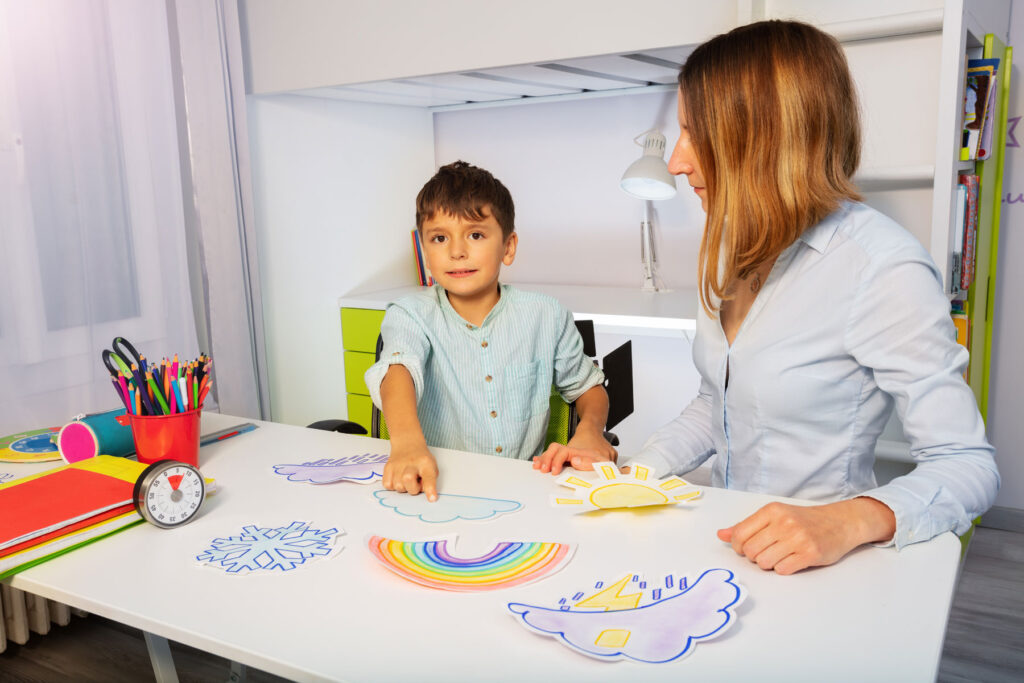
What Is an Applied Behavior Analysis Program?
An applied behavior analysis program is a structured therapy approach designed to help individuals with autism and other developmental differences learn new skills and improve behaviors that affect daily life. These programs are based on the science of behavior and learning, which studies how behaviors are influenced by the environment.
A typical applied behavior analysis program includes individualized goals, structured teaching strategies, and continuous progress monitoring. Therapy sessions may focus on communication, social interaction, emotional regulation, and daily living skills.
In many programs, a Board Certified Behavior Analyst (BCBA®) designs the treatment plan and supervises therapists who work directly with the learner. By collecting and reviewing data during therapy sessions, professionals can adjust strategies and ensure the program continues to meet the learner’s needs.
How ABA Goals Are Created in an ABA Program
ABA goal example settings are some of the most important components of an applied behavior analysis program. Therapy goals are not chosen randomly; they are based on detailed assessments of a learner’s strengths, developmental level, and areas that need improvement.
The process typically includes several steps:
Initial Consultation
Families meet with professionals to discuss developmental concerns, current skills, and long-term goals for the learner.
Comprehensive Assessment
A BCBA conducts assessments to evaluate communication skills, social behaviors, and learning abilities. These assessments help identify skill gaps and opportunities for growth.
Individualized Goal Development
Based on the assessment results, the BCBA creates measurable therapy goals that guide the learner’s treatment plan.
Ongoing Review
Goals are reviewed regularly, and adjustments are made as the learner progresses or develops new skills.
This structured process helps ensure that Maryland applied behaviour analysis programs provide targeted and meaningful support.
Using the SMART Framework for ABA Goals
Effective ABA goals are often designed using the SMART framework. This method helps ensure goals are clearly defined and measurable so progress can be tracked over time.
SMART goals are:
Specific – Clearly describe the behavior or skill being taught.
Measurable – Include a way to track progress or success.
Achievable – Realistic based on the learner’s current abilities.
Relevant – Focus on skills that improve daily functioning.
Time-bound – Include a timeframe for expected progress.
For example, instead of setting a general goal such as “improve communication,” a SMART goal might be:
The learner will request preferred items using a two-word phrase during structured play in 80% of opportunities across three consecutive sessions.
Using measurable goals helps therapists evaluate whether strategies are effective and whether adjustments are needed within the applied behavior analysis program.
Skill Areas Commonly Targeted in ABA Goals
ABA therapy goals typically focus on skills that improve independence and quality of life. While every learner’s treatment plan is unique, many applied behavior analysis programs target similar developmental areas.
Communication Skills
Examples include requesting items, answering questions, or using alternative communication methods.
Social Interaction
Goals may focus on initiating play, sharing, or maintaining conversations.
Daily Living Skills
Learners may work on self-care routines such as brushing teeth, dressing independently, or following daily schedules.
Emotional Regulation
Some goals focus on recognizing emotions and learning strategies to manage frustration or anxiety.
Academic and Learning Skills
These goals may include following instructions, completing tasks, or developing classroom readiness skills.
These skill areas form the foundation of many applied behavior analysis Maryland therapy programs.
Example ABA Goals by Age Group
ABA therapy goals are often tailored to the learner’s age and developmental stage.
Goals for Toddlers
Early goals may focus on foundational communication and social interaction skills.
Examples include:
-
Responding to their name
-
Making eye contact during play
-
Requesting preferred items
Goals for Preschool-Aged Children
At this stage, goals often focus on expanding communication and early social skills.
Examples include:
-
Following simple instructions
-
Sharing toys with peers
-
Using short phrases to communicate needs
Goals for School-Age Children
Older learners may focus on more complex social and academic skills.
Examples include:
-
Participating in group activities
-
Maintaining conversations
-
Completing classroom routines independently
Programs offering Maryland applied behaviour analysis programs typically adjust therapy goals as children grow and develop new abilities.
How Progress Is Measured in ABA Programs
One of the defining features of applied behavior analysis is the use of data to guide therapy decisions. Progress is measured regularly to determine whether learners are meeting their goals.
Therapists often track progress using:
-
Frequency data (how often a behavior occurs)
-
Duration tracking (how long a behavior lasts)
-
Skill acquisition data
-
Observational notes
These data points allow professionals to evaluate whether a therapy strategy is effective. If progress slows or new challenges arise, the treatment plan can be adjusted to better support the learner.
This data-driven approach helps ensure that behavioral goal examples remain flexible and responsive to each learner’s needs.
Parent Involvement in ABA Goal Setting
Parent participation is an important part of many applied behavior analysis programs. When parents understand the goal of ABA and the strategies used in therapy, they can reinforce those skills at home and in everyday situations.
Parent involvement may include:
-
Participating in goal-setting discussions
-
Learning behavioral strategies from therapists
-
Practicing skills during daily routines
-
Communicating regularly with therapy providers
This collaboration helps children practice new skills across multiple environments, which improves long-term learning and independence.
Applied Behavior Analysis Programs
Families exploring therapy options often search for applied behavior analysis services that offer personalized support and evidence-based care.
Many Maryland applied behavior analysis programs provide therapy in different settings, including
-
Home-based therapy
-
Center-based therapy
-
School-based programs
-
Community-based skill-building sessions
Choosing a program that fits a child’s needs and learning environment can help ensure meaningful progress and skill development.
When evaluating providers, families may want to consider therapist qualifications, program structure, parent involvement opportunities, and progress tracking methods.
A Real Example of ABA Goal Progress
ABA therapy goals are designed to evolve as learners develop new skills.
For example, a young learner may begin therapy with a goal of requesting preferred items using single words. After consistent practice and reinforcement, that goal may expand to requesting items using short phrases during play activities.
Over time, the learner may progress further by using full sentences or initiating conversations with peers.
This gradual progression allows therapy goals to build upon one another, helping learners develop increasingly complex communication and social skills.
Call A Gem of Joy for Help Setting ABA Goals
Setting attainable ABA goals can lead to significant progress and improvements in a learner’s life. If you or a loved one is seeking ABA therapy services, consider reaching out to A Gem of Joy.
Our team of experienced and compassionate professionals specializes in creating personalized intervention plans tailored to each individual’s unique needs and goals. Contact us online or call us today at 888.501.6641 for more information on our services and how we can help your family through ABA therapy.
Frequently Asked Questions
What is an applied behavior analysis program?
An applied behavior analysis program is a therapy approach that uses evidence-based strategies to teach new skills and improve behaviors that affect learning and daily life.
How long does it take to achieve ABA goals?
The timeframe varies depending on the learner’s needs and the complexity of the skill being taught. Some goals may be achieved within weeks, while others may take several months.
Who sets ABA therapy goals?
Goals are typically created by a Board Certified Behavior Analyst (BCBA) after conducting a comprehensive assessment of the learner’s abilities and needs.
Can parents help with ABA therapy goals?
Yes. Parent involvement is encouraged in many programs because practicing skills outside therapy sessions can reinforce learning and improve progress.